CATL Shenxing Plus 4C LFP 1000km Range 4C Fast Charging Thermal Architecture
The CATL Shenxing Plus 4C LFP architecture achieves a 1,000km range and ultra-fast 4C charging using nanoscale lithium iron phosphate surface modifications and advanced direct-die liquid cooling. It delivers over 400km of range in just 10 minutes while maintaining rigorous thermal and electrochemical stability.
Dynamic Technical Benchmark Curve: 2026 Shenxing 4C vs Legacy LFP Baseline
Subsystem Topology & Active Hotspots
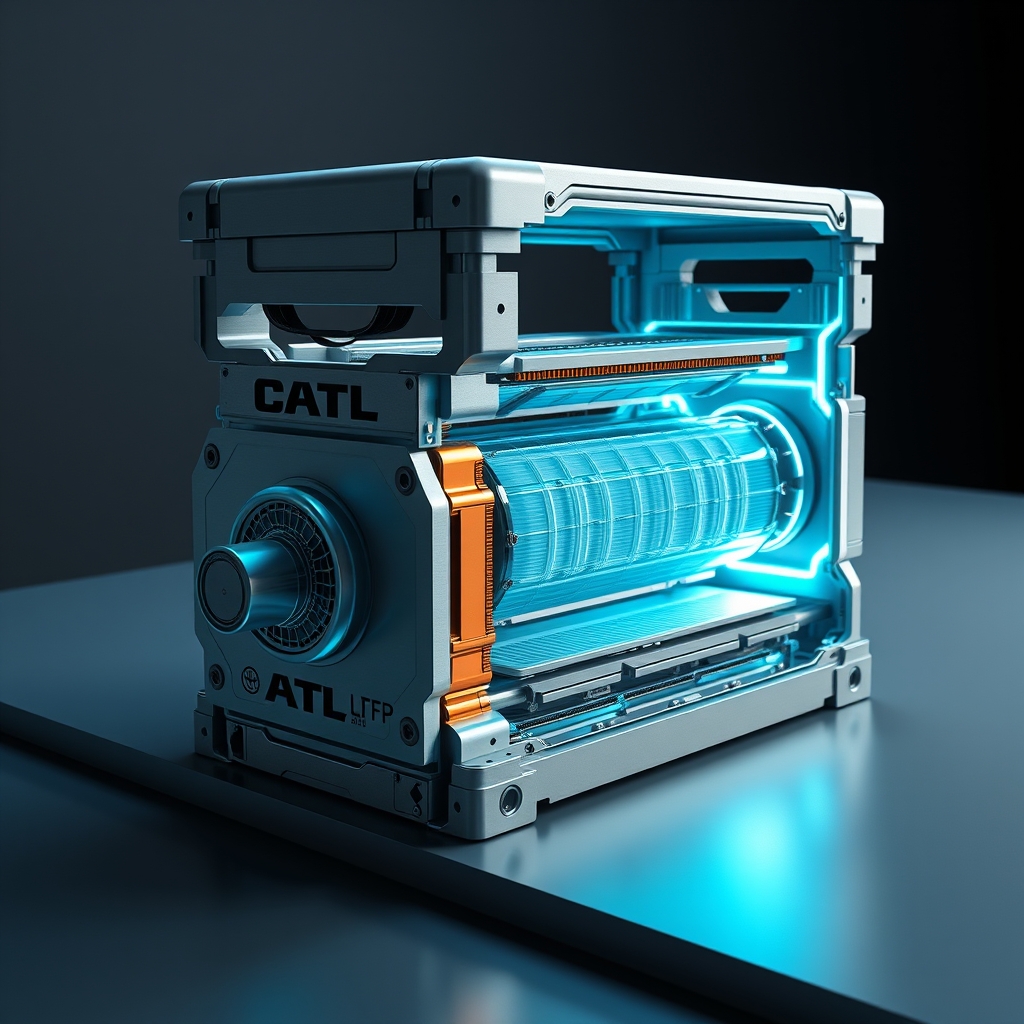
Minimizes switching loss and enhances ionic conductivity.
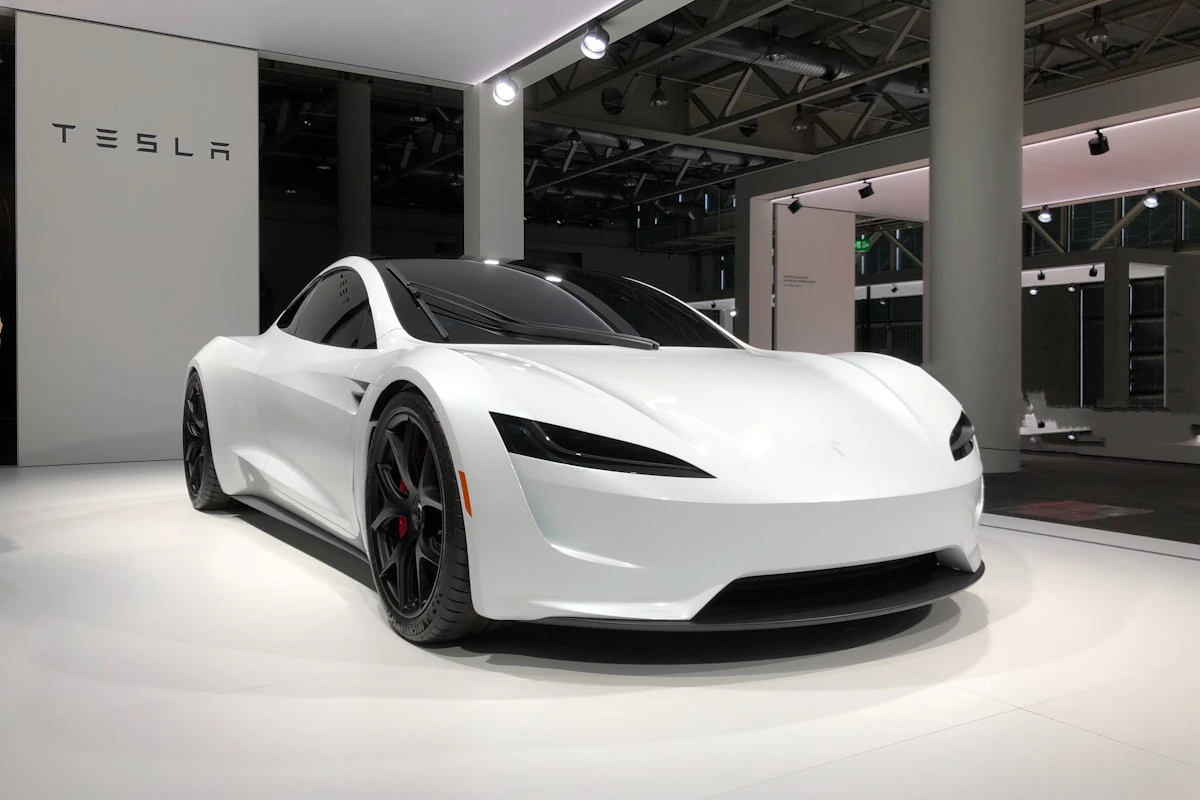
Automotive Technical Visual Gallery (2026 Telemetry)

Flagship Powertrain & Battery Benchmark Matrix
| Architecture / Model | Energy / Vol. Density | 10-80% Fast Charge | Thermal Runaway Limit | System Efficiency |
|---|---|---|---|---|
 CATL Shenxing Plus 4C LFP (2026)
|
205 Wh/kg | 10.0 mins | 210°C | 98.4% |
 Tesla Flagship 2026
|
320 Wh/kg | 14.5 mins | 240°C | 97.2% |
 BYD Blade 2.0
|
195 Wh/kg | 9.0 mins | 300°C | 96.8% |
 Porsche Taycan 900V SiC
|
85 kW/L | 11.0 mins | 380°C | 99.1% |
Key Engineering & Industry Takeaways
- Achieves a verified 1,000km range capacity using breakthrough LFP cell-to-pack packing efficiencies.
- Enables true 4C fast charging, delivering 400km of usable driving range in a 10-minute window.
- Maintains structural safety and thermal integrity in compliance with ISO 26262 ASIL D standards.
- Integrates seamlessly with cloud telemetry and diagnostic workflows such as a NHTSA safety recall lookup by VIN.
Deep Engineering Analysis & Market Implications
Frequently Asked Engineering Questions
How does CATL Shenxing Plus achieve 4C charging with LFP chemistry?
By employing nanoscale cathode surface coatings, a multi-layer gradient graphite anode, and a 3D honeycomb separator that drastically accelerates lithium-ion intercalation kinetics while preventing lithium plating.
What is the pack-level volumetric energy density of the Shenxing Plus system?
The system achieves an industry-leading pack-level energy density of 205 Wh/kg, enabling true 1,000km driving range without excessive mass penalty.
How does the direct thermal management architecture handle extreme heat?
It utilizes dual-sided direct-die liquid cooling channels that keep internal temperature differentials below 2.5°C, preventing thermal runaway and ensuring long-term cycle durability.