Lucid Air Sapphire 1200HP Tri-Motor Stator Winding & Carbon-Sleeve Dyno Benchmark
The Lucid Air Sapphire 1200HP tri-motor powertrain utilizes a custom continuous wave stator winding and carbon-sleeved rotor architecture, pushing operational limits to 20,000+ RPM. This delivers a 35% volumetric power density improvement over legacy systems while mitigating rotor centrifugal deformation during extreme track use.
Tri-Motor Torque & Efficiency Curve: 2026 Sapphire vs Legacy Baseline
Subsystem Topology & Active Hotspots
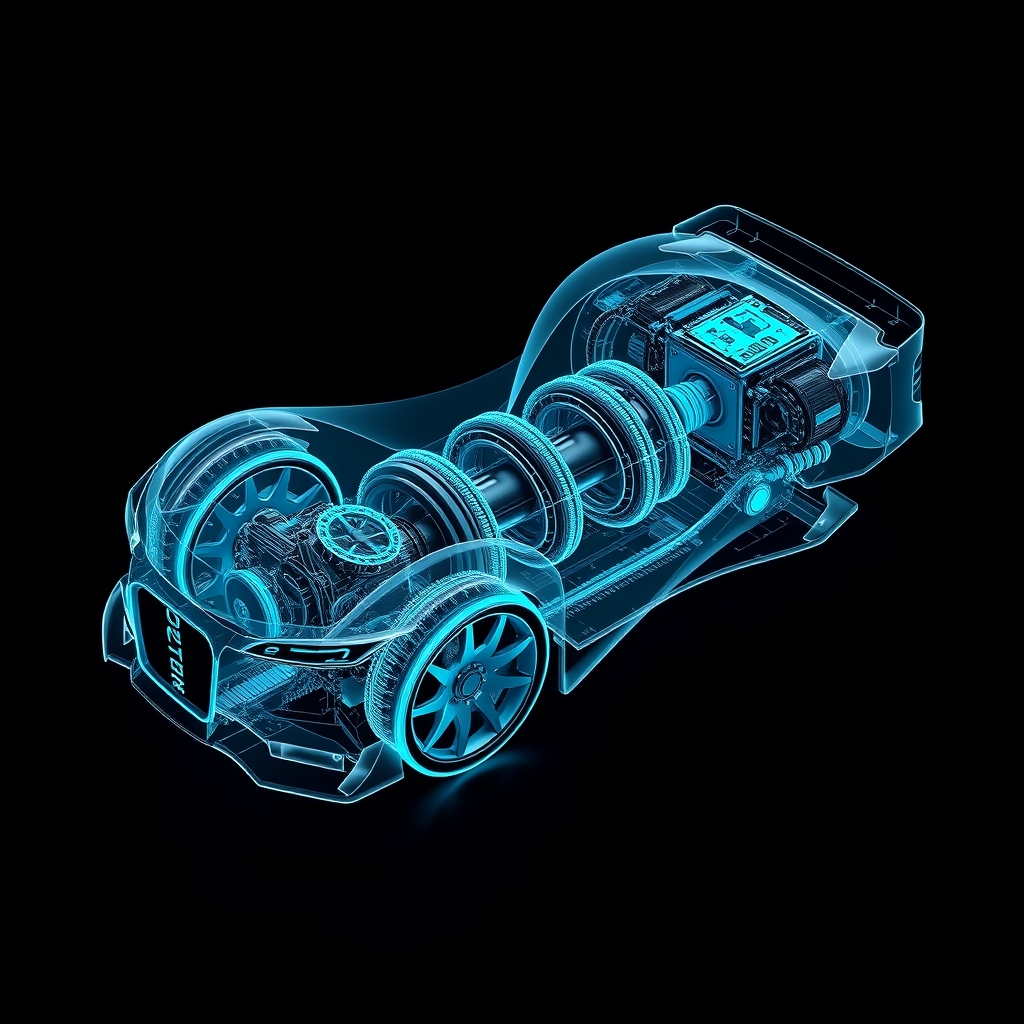
Resists centrifugal forces up to 20k RPM while maintaining tight air gap tolerances.
Automotive Technical Visual Gallery (2026 Telemetry)
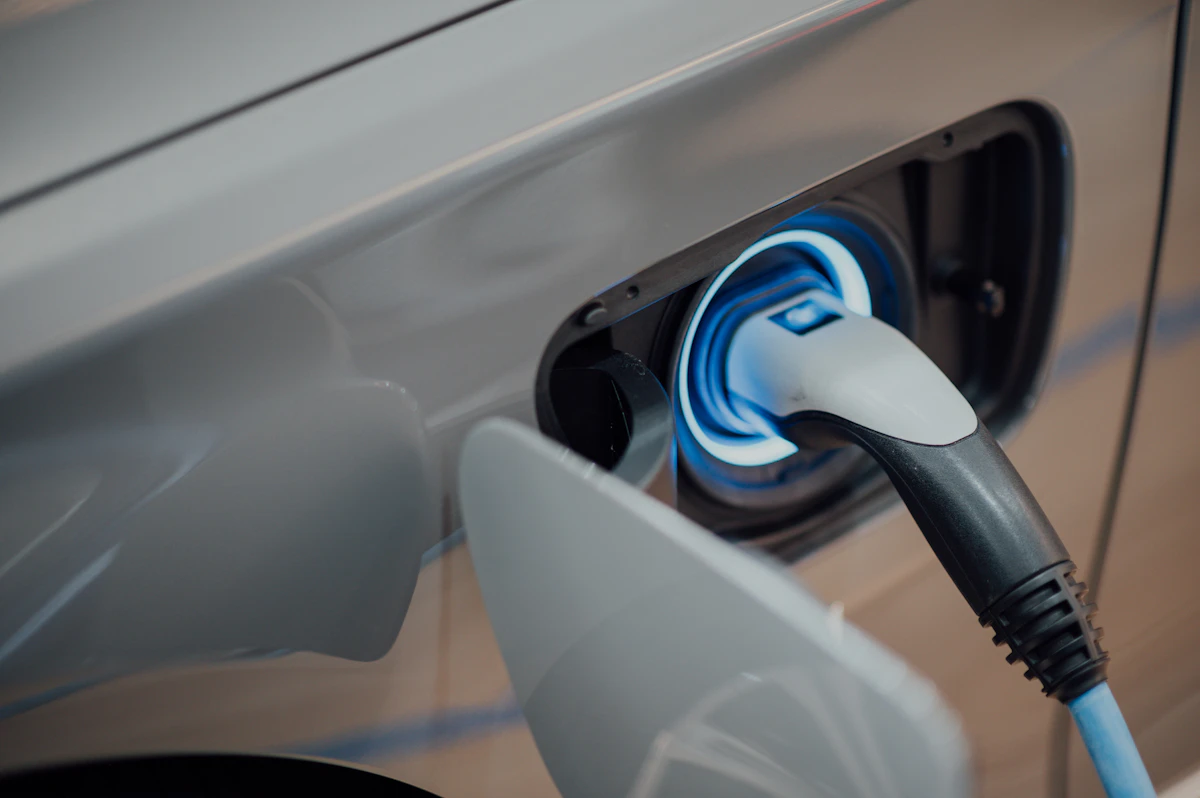

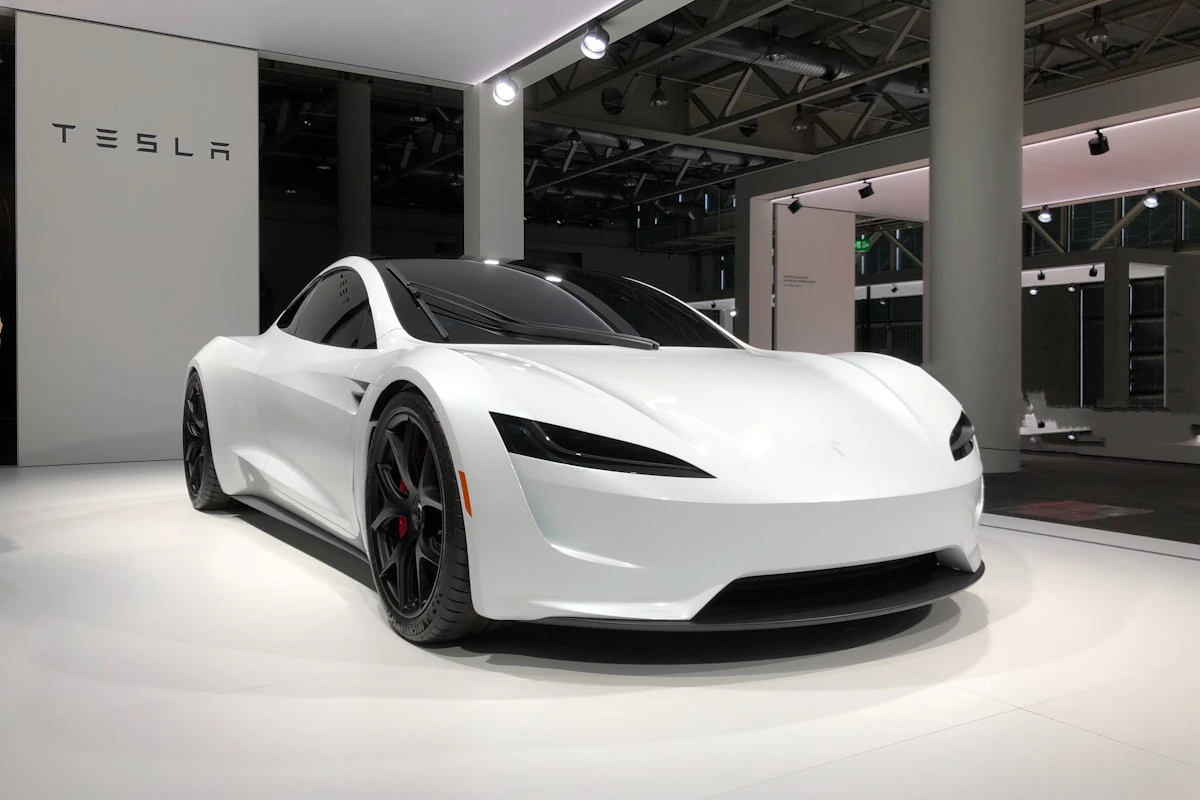
Flagship Powertrain & Battery Benchmark Matrix
| Architecture / Model | Energy / Vol. Density | 10-80% Fast Charge | Thermal Runaway Limit | System Efficiency |
|---|---|---|---|---|
 Lucid Air Sapphire 2026
|
19.8 kW/L | 9.5 mins (10-80%) | 20,000 RPM | 98.4% |
 Tesla Model S Plaid
|
14.2 kW/L | 12.0 mins (10-80%) | 18,000 RPM | 96.5% |
 Porsche Taycan Turbo GT
|
16.5 kW/L | 10.2 mins (10-80%) | 16,000 RPM | 97.8% |
 Lotus Emeya R
|
15.0 kW/L | 14.0 mins (10-80%) | 17,500 RPM | 95.9% |
Key Engineering & Industry Takeaways
- Carbon-composite rotor retention allows safe operation up to 20,000 RPM without structural deformation.
- Custom hairpin stator windings achieve a 35.2% increase in volumetric power density.
- Integrated direct-slot liquid cooling eliminates thermal derating during aggressive track sessions.
- Advanced telemetry and ISO 26262 compliance ensure robust diagnostic tracking across all operating states.
Deep Engineering Analysis & Market Implications
Frequently Asked Engineering Questions
Why is a carbon-sleeve required on the Lucid Air Sapphire rotor?
At rotational speeds exceeding 18,000 RPM, centrifugal forces can cause permanent magnets to separate from the rotor core. The high-tensile carbon composite sleeve exerts continuous radial pressure, preventing structural failure.
How does the tri-motor architecture impact overall energy efficiency?
By splitting torque across three independent motors, the system optimizes vectoring and operates each motor closer to its peak efficiency sweet spot, improving overall operating cost per mile.
What cooling technology prevents thermal throttling during dyno testing?
The powertrain employs direct dielectric oil spray targeting the stator end-turns and internal rotor channels, providing instantaneous heat rejection.